
How to Design Events That People Actually Remember (Framework)
Why Most Events Are Forgettable
Most corporate events are well-organised.
They start on time, the logistics run smoothly, and everything looks polished. Yet despite all that effort, they are often forgotten within days.
The issue isn’t execution — it’s experience design.
In today’s environment, people are constantly exposed to content, messaging, and events. If your event doesn’t create a meaningful impression, it simply blends into the background.
👉 The goal is no longer just to run an event.
👉 The goal is to create something people remember, talk about, and feel connected to.
The Shift: From Event Planning to Experience Design
Traditional event planning focuses on:
Venue
Agenda
Logistics
But memorable events are built differently.
They are designed around how people feel, interact, and engage throughout the entire journey.
When you shift your mindset from “planning an event” to “designing an experience,” everything changes — from how you structure the programme to how attendees participate.
The Framework: Designing Events That Stick
Creating a memorable event isn’t about luck or creativity alone. It follows a clear structure — one that focuses on emotion, engagement, and flow.
1. Start With the Emotional Outcome
Before anything else, define what you want your audience to feel.
Do you want them to feel:
Inspired?
Energised?
Connected?
This emotional goal becomes the foundation of your entire event.
People rarely remember specific slides or speeches — but they always remember how an experience made them feel.
2. Build a Clear Event Storyline
Memorable events don’t feel like a series of disconnected segments — they feel like a journey.
Instead of simply arranging your programme in a logical order, think about how the experience unfolds from the attendee’s perspective. A strong opening should immediately capture attention and set the tone, drawing people into what’s to come. As the event progresses, the energy should build naturally through engaging content and interaction, keeping the audience invested rather than passive.
By the time you reach the end, everything should come together in a way that feels intentional and complete. When an event flows like a story, people are far more likely to stay engaged — and more importantly, remember it.
3. Design for Participation, Not Observation
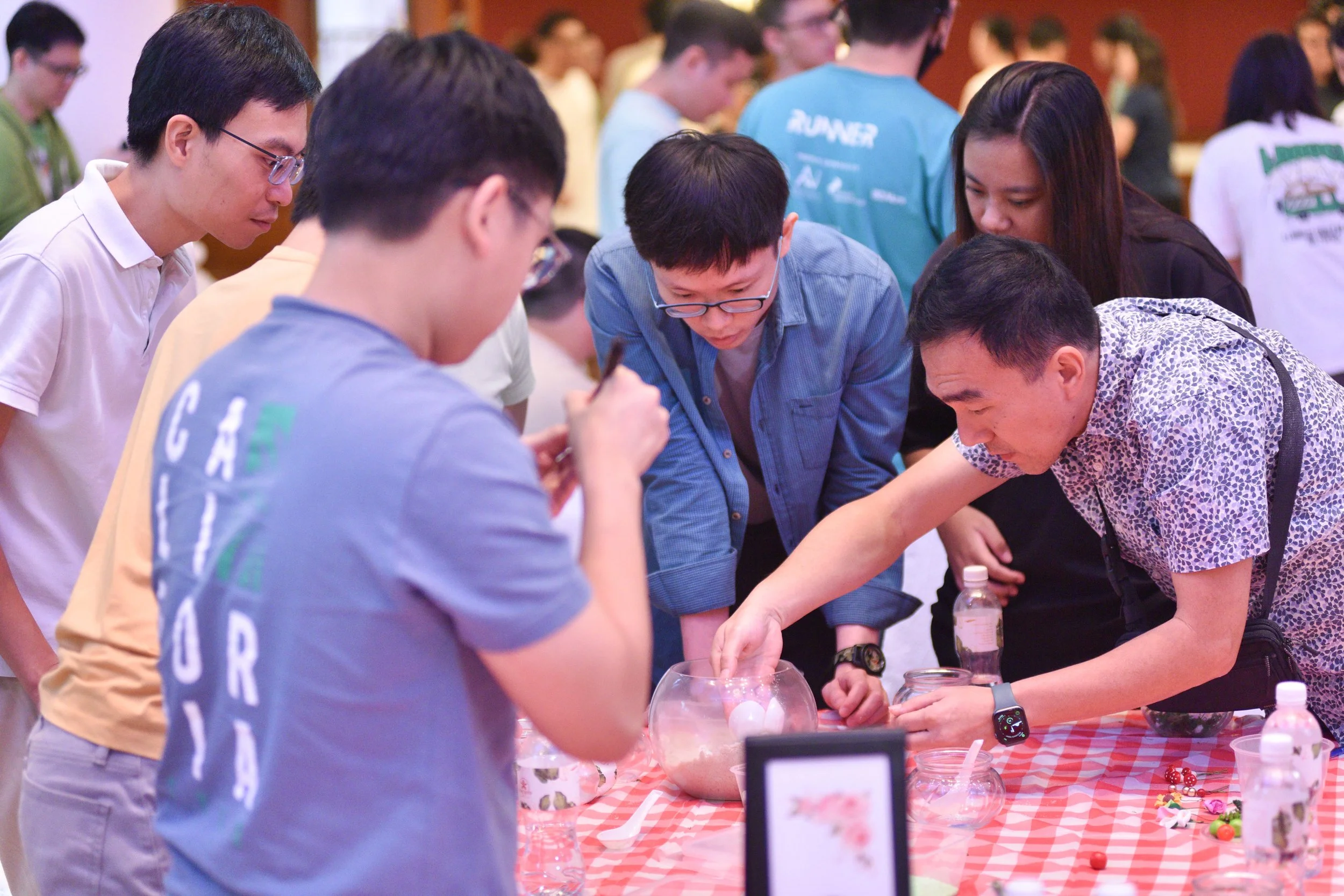
One of the fastest ways to lose an audience is to make them sit through an experience rather than be part of it.
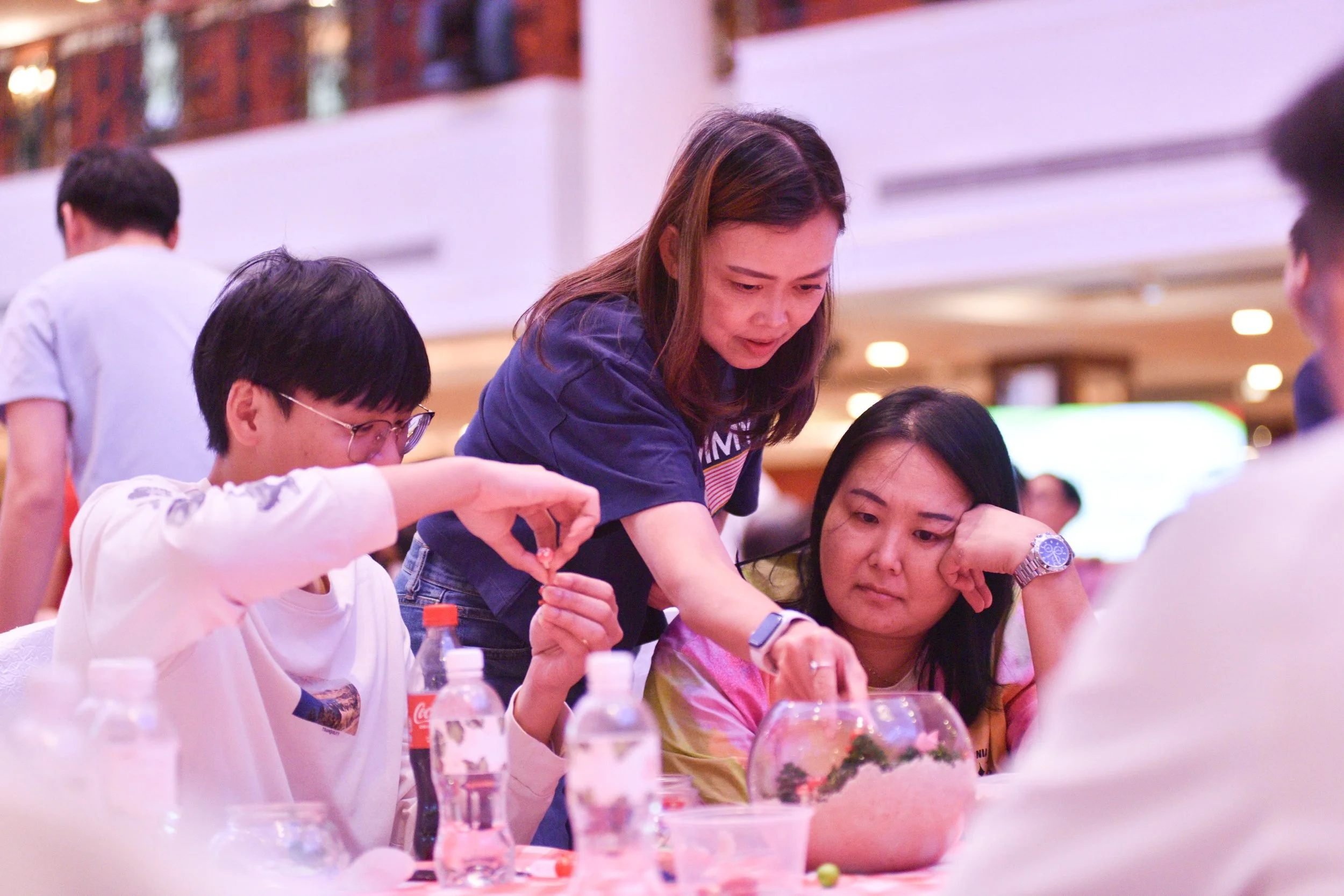
People today are used to interacting, not just consuming. When an event is designed purely for observation — long speeches, static presentations, minimal interaction — attention drops quickly. On the other hand, when attendees are invited to participate, even in small ways, their level of engagement changes immediately.
This doesn’t mean every moment needs to be high-energy or complex. Simple elements like real-time input, shared activities, or moments of interaction can shift the dynamic entirely. The key is to make the audience feel involved, because participation creates a stronger sense of ownership — and that’s what makes the experience stick.
4. Create “Peak Moments”
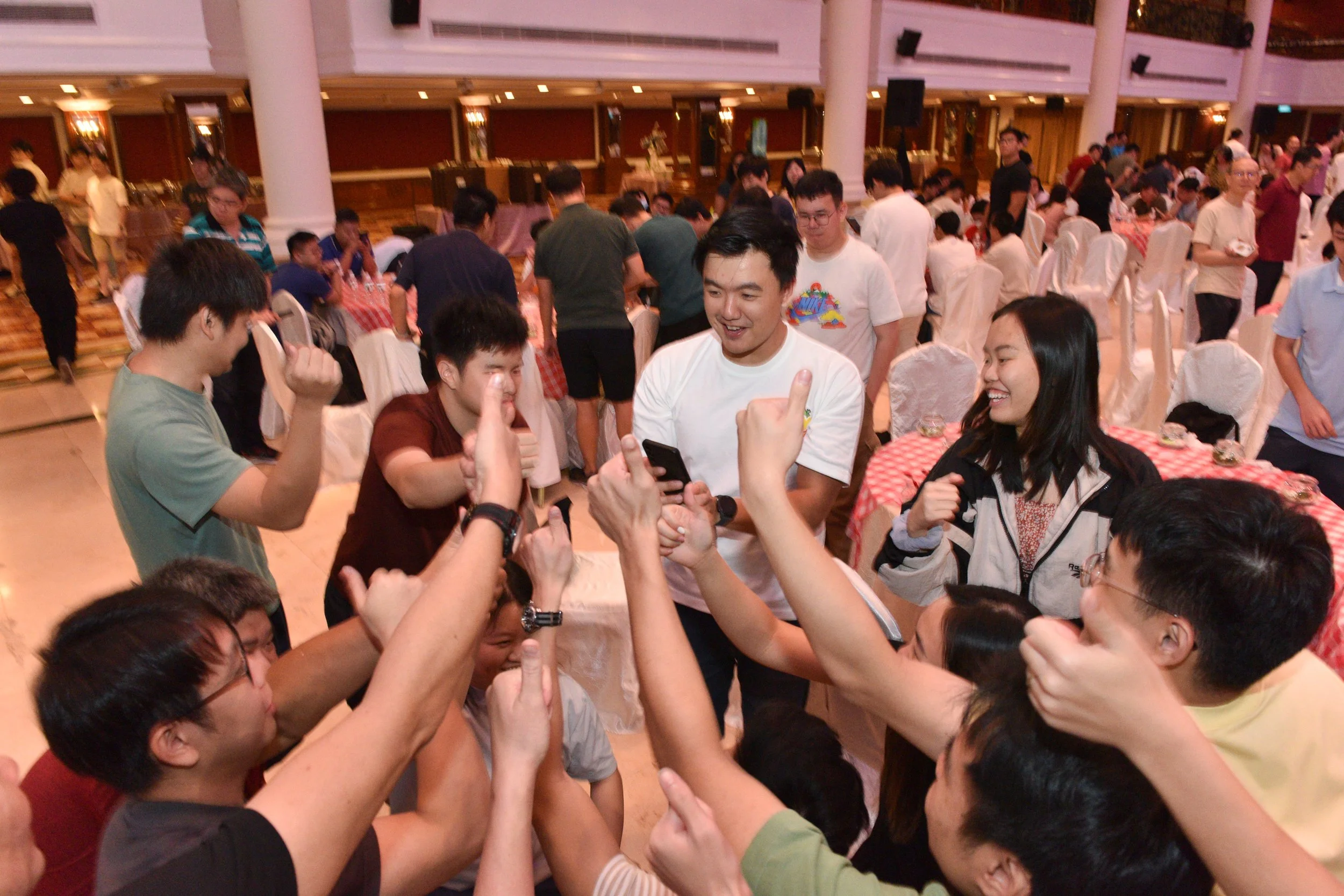
Every memorable event has a moment that stands out above the rest — something people talk about after it ends.
These “peak moments” don’t happen by accident. They are intentionally designed to surprise, delight, or emotionally engage the audience at just the right time. It could be a reveal, a performance, or an unexpected twist that breaks the rhythm of the event and captures full attention.
What matters is not how big or expensive the moment is, but how it makes people feel. A well-timed, impactful moment can elevate the entire experience and become the highlight people associate with your event.
5. End With Intention
The final moments of your event matter more than most people realise.
A strong ending reinforces the experience and gives it meaning. It could be a powerful closing message, a shared moment, or a clear takeaway.
Without a proper ending, even a good event can feel incomplete.
What Most Events Get Wrong
Many events struggle not because of budget or scale, but because they:
Focus too heavily on content delivery
Lack meaningful interaction
Don’t have a clear theme or direction
As a result, attendees leave without a strong impression — and quickly move on.
A Simple Way to Think About It
If your audience is passively watching, they will forget.
If they are actively engaged, they will remember.
That’s the difference between an event that fills a schedule and one that creates impact.
Final Thoughts
In 2026, attention is limited and expectations are higher than ever.
Designing a memorable event is no longer optional — it’s what separates brands that are noticed from those that are remembered.
When you focus on emotion, engagement, and experience, your event becomes more than just a gathering. It becomes something people carry with them long after it ends.
Create an Event People Won’t Forget
If you’re looking to move beyond standard events and create something that truly resonates, it starts with the right strategy.
👉 Let Into E Projects help you design an experience that drives engagement, connection, and results.
Get a free consultation today and turn your next event into something unforgettable.