
Experiential Marketing vs Digital Marketing: What Drives Better ROI in 2026?
The Real Marketing Question in 2026
In 2026, the conversation around marketing has shifted.
It’s no longer about whether your company should invest in digital marketing — that’s already a given. Most businesses in Singapore are running ads, producing content, and optimising their funnels.
The real question now is:
👉 Is digital marketing alone enough to capture attention, engage your audience, and drive meaningful results?
With rising ad costs, shorter attention spans, and increasing competition, brands are starting to realise something important:
Clicks don’t always translate into connection.
This is where experiential marketing comes in — offering something digital often cannot: real human engagement.
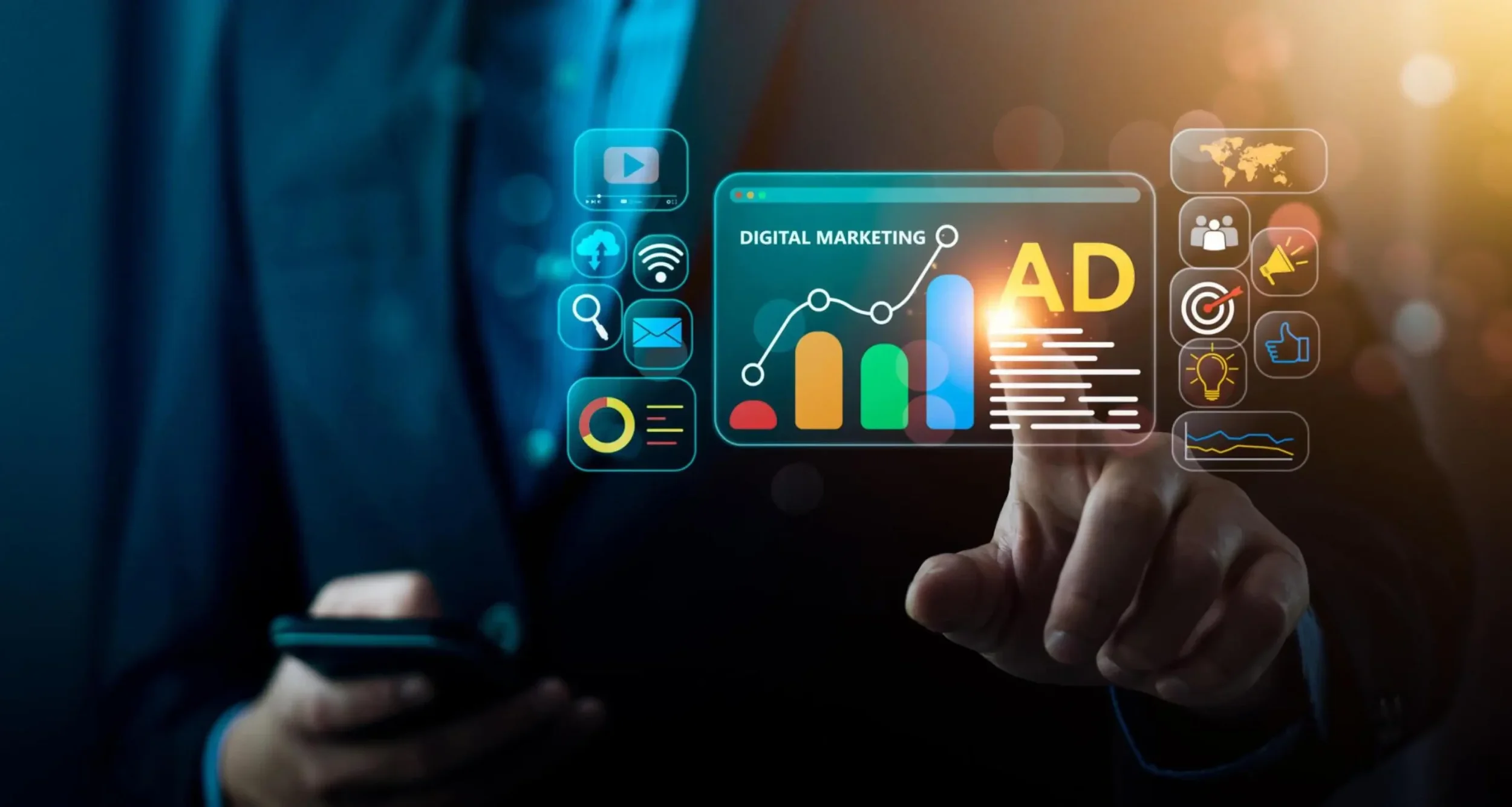
What is Digital Marketing (And Why It Still Matters)
Digital marketing refers to all online efforts used to promote your brand and generate leads. This includes:
Paid advertising (Google Ads, Meta, TikTok)
Search engine optimisation (SEO)
Email marketing
Social media campaigns
Over the past decade, digital marketing has become the backbone of most marketing strategies — and for good reason.
Why Digital Marketing Works:
It is highly scalable — you can reach thousands (or millions) instantly
It is data-driven — every click, impression, and conversion is trackable
It can be cost-efficient when optimised properly
However, as more brands flood digital channels, the landscape has become increasingly saturated.
The Challenge in 2026:
Cost per click (CPC) continues to rise
Audiences are experiencing ad fatigue
Engagement rates are declining
👉 In short: Digital marketing is efficient — but not always impactful.
What is Experiential Marketing (And Why It’s Growing Fast)
Experiential marketing is about creating real, memorable moments where people can interact with your brand in a tangible way. Instead of relying on screens and static messaging, it brings your brand to life through physical experiences — whether that’s a product launch, a pop-up activation, a roadshow, or an immersive corporate event.
At its core, it shifts marketing from something people see to something they can actually feel. And that difference matters more than ever.
When someone encounters your brand in person, the interaction becomes far more personal. They’re not just consuming information — they’re participating in it. This naturally leads to stronger emotional connections, which are much harder to achieve through digital channels alone.
That emotional layer is what makes experiential marketing so effective. People are more likely to remember how something made them feel than what it said. As a result, these experiences tend to leave a lasting impression, improving brand recall long after the event is over. It also explains why experiential campaigns often generate organic social sharing — people genuinely want to talk about and share experiences that stand out.
Think about the last event or activation that truly impressed you. You probably still remember the atmosphere, the energy, maybe even specific moments that made it unique.
That’s the power of experiential marketing — it doesn’t just capture attention. It creates something worth remembering.
ROI Comparison: Digital vs Experiential Marketing
Here’s how both strategies stack up in 2026:
| Metric | Digital Marketing | Experiential Marketing |
|---|---|---|
| Cost per Lead | Lower initially | Higher upfront |
| Engagement | Low–Medium | Very High |
| Conversion Rate | Moderate | High |
| Brand Recall | Low | Very High |
| Virality | Limited | Strong |
👉 Key Insight:
Digital marketing helps you reach more people efficiently
Experiential marketing helps you convert and influence more deeply
When Should You Use Digital Marketing?
Digital marketing is still essential — especially when you need:
Consistent and predictable lead flow
Scalable campaigns
Retargeting and remarketing
Data-driven optimisation
It works best when your goal is efficiency and reach.
When Should You Use Experiential Marketing?
Experiential marketing shines when your goal is to:
Launch a new product or service
Differentiate your brand from competitors
Build deeper emotional connections
Create buzz and word-of-mouth
It works best when your goal is impact and memorability.
The Winning Strategy in 2026: Integration, Not Isolation
The most successful brands today are not choosing one over the other.
Instead, they are combining both into a hybrid strategy.
Here’s what that looks like:
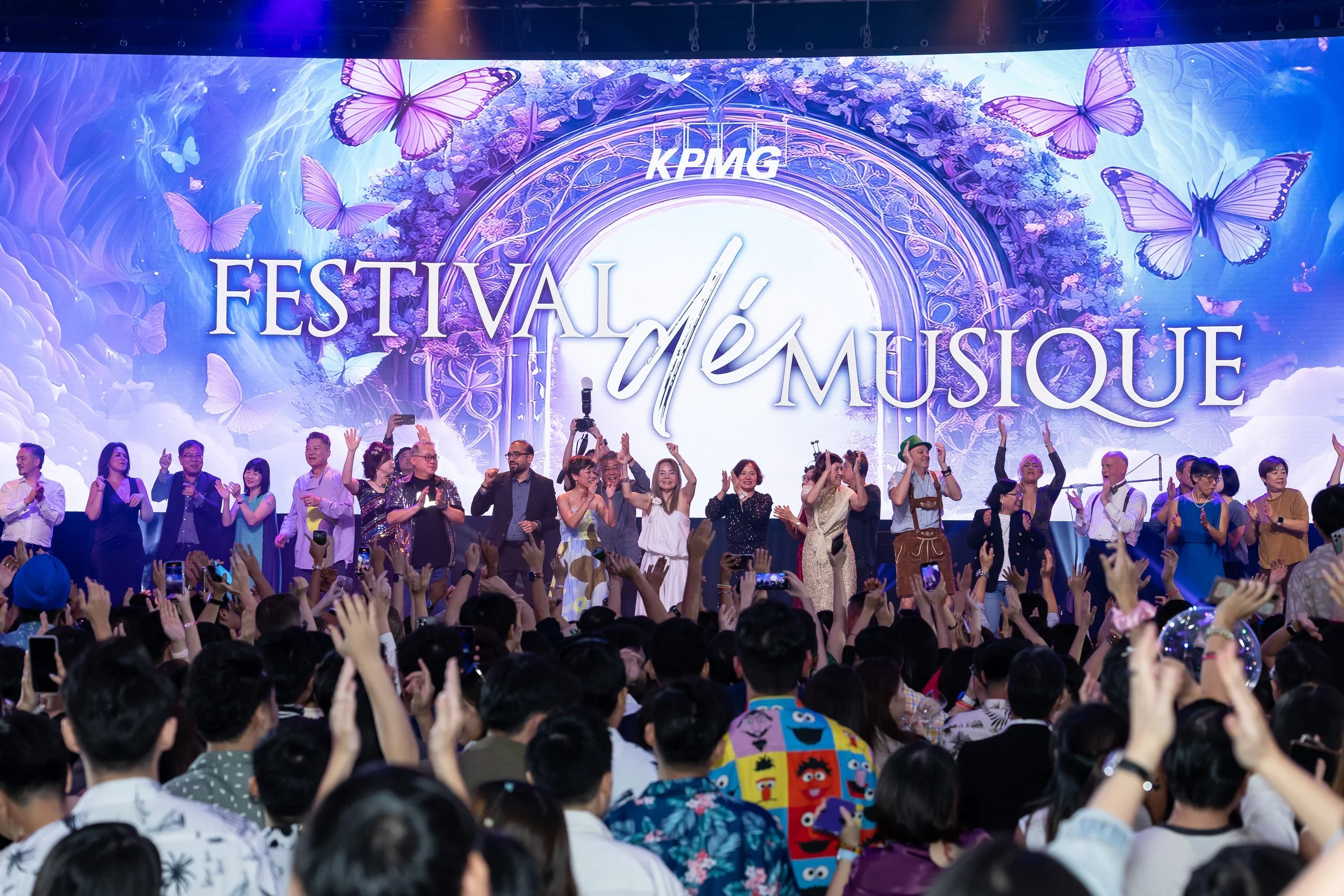
Run a high-impact event or activation
Capture content (videos, photos, testimonials)
Amplify that content through digital channels
Retarget attendees and viewers with ads
The Result:
Lower overall cost per lead
Higher engagement rates
Stronger brand recall
Better conversion performance
👉 In simple terms:
Experiential creates the moment. Digital scales the moment.
Real-World Example (Simplified)
Imagine launching a new product.
A digital-only approach relies on ads to drive traffic and conversions — efficient, but often lacking impact.
Now compare that to a hybrid approach. You start with a launch event that creates real engagement, capture those moments, and then amplify them through digital channels. Suddenly, your ads feel more authentic and compelling because they’re backed by real experiences.
That’s why the hybrid approach consistently performs better — it combines attention with credibility, leading to stronger results.
Final Thoughts
In 2026, marketing is no longer just about visibility — it’s about connection.
Digital marketing gives you reach. Experiential marketing gives you meaning.
The brands that win are the ones that understand how to balance both.
Turn Your Next Event Into a Growth Engine
If you’re looking to go beyond clicks and create real impact, it’s time to rethink your strategy.
👉 Let Into E help you design an experiential campaign that doesn’t just look good — but delivers results.
Get a free consultation today and turn your next event into a powerful marketing asset.