
The Into E Event Engagement Framework
Why Engagement Matters More Than Ever
Most events today are well-produced.
The venue looks impressive, the programme is organised, and the execution runs smoothly. Yet despite all that effort, many events struggle with the one thing that matters most:
👉 Real audience engagement.
People attend physically, but mentally disengage. They listen passively, interact minimally, and forget the experience shortly after it ends.
At Into E Projects, we believe successful events are not defined by how many people attend — but by how deeply people connect with the experience.
That belief led to the development of our signature approach:
The Into E Event Engagement Framework
A strategic method designed to help brands create events that are not only well-executed, but genuinely memorable.
The Shift: From Event Execution to Experience Design
Traditional event planning often focuses heavily on logistics:
Venue selection
Timelines
Stage flow
Technical setup
While these elements are important, they are only the foundation.
What truly defines a successful event is how the audience feels throughout the experience. Engagement does not happen automatically just because people are present. It has to be intentionally designed.
That’s where the Into E Event Engagement Framework comes in.
Instead of asking, “How do we run this event smoothly?” we ask:
👉 “How do we make people feel involved, connected, and emotionally invested from start to finish?”
The Into E Event Engagement Framework
Our framework is built around five key principles that shape every successful event experience.
1. Emotional Anchoring
Every memorable event begins with emotion.
Before planning activities or visuals, we first identify the emotional outcome we want attendees to experience. Depending on the event objective, this could be excitement, inspiration, appreciation, connection, or celebration.
Why is this important?
Because people rarely remember event schedules or presentation slides — but they always remember how an experience made them feel.
This emotional direction becomes the foundation for every decision that follows, ensuring the event feels cohesive rather than transactional.
2. Audience-Centric Experience Design
One of the biggest mistakes companies make is designing events around the programme instead of the audience.
At Into E, we approach events from the attendee’s perspective. We consider how people move through the space, how they interact, where attention naturally drops, and what moments are most likely to create participation.
This allows us to create experiences that feel intuitive, engaging, and dynamic rather than overly structured or passive.
The goal is simple:
👉 Turn attendees from spectators into participants.
3. Engagement Flow
Great engagement is not created through isolated activities. It comes from designing the right rhythm throughout the event.
Too much stimulation too early can lead to fatigue. Too much passive content can quickly reduce energy levels.
Our framework focuses on balancing:
high-energy moments
interaction points
quieter reflective moments
social connection opportunities
This creates a natural flow that keeps audiences engaged from beginning to end without overwhelming them.
4. Peak Moment Strategy
Every successful event needs standout moments — experiences that capture attention and leave a lasting impression.
These are what we call “peak moments.”
They could be:
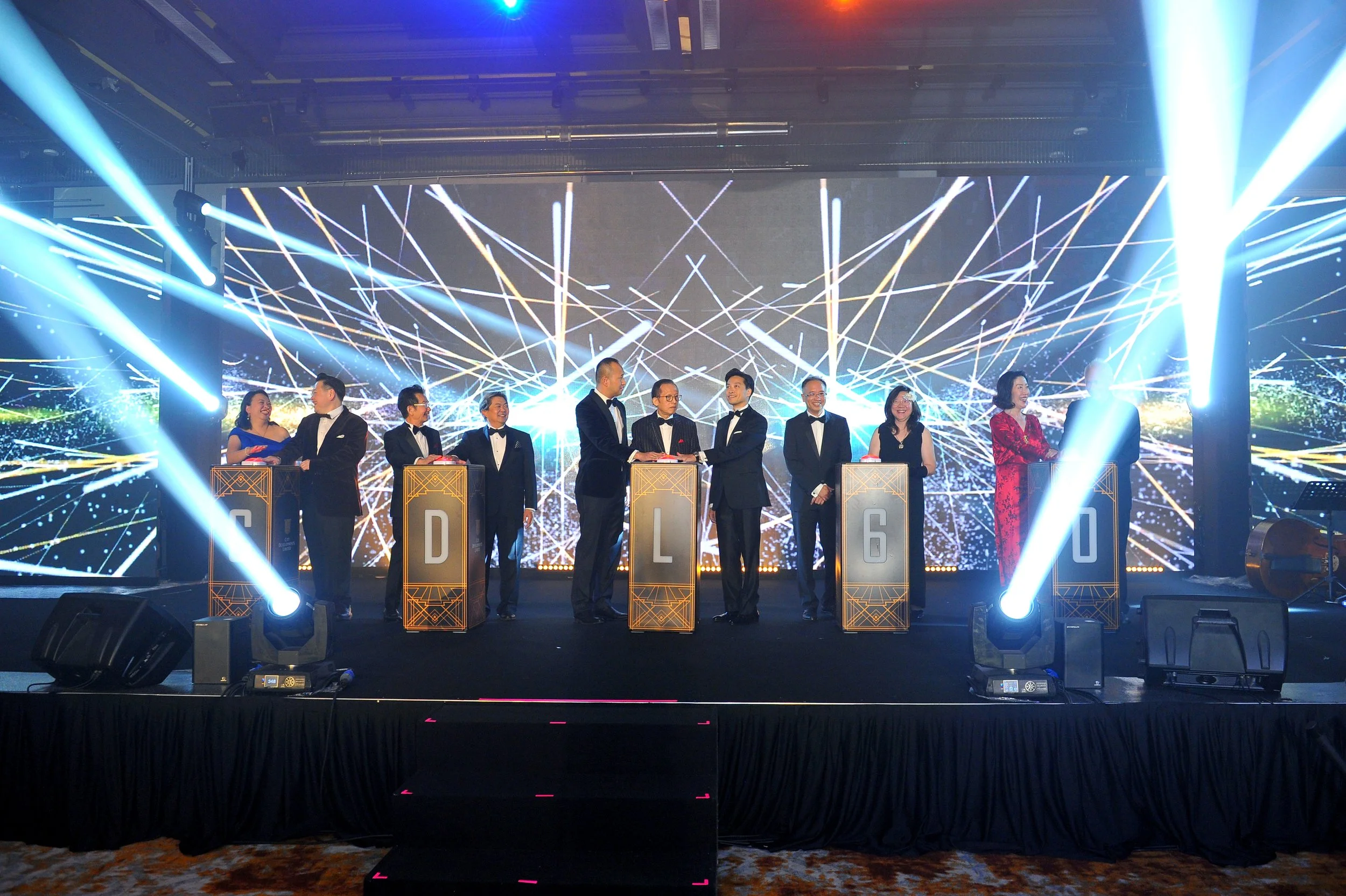
an immersive opening
a surprise reveal
a live interactive segment
an emotional closing experience
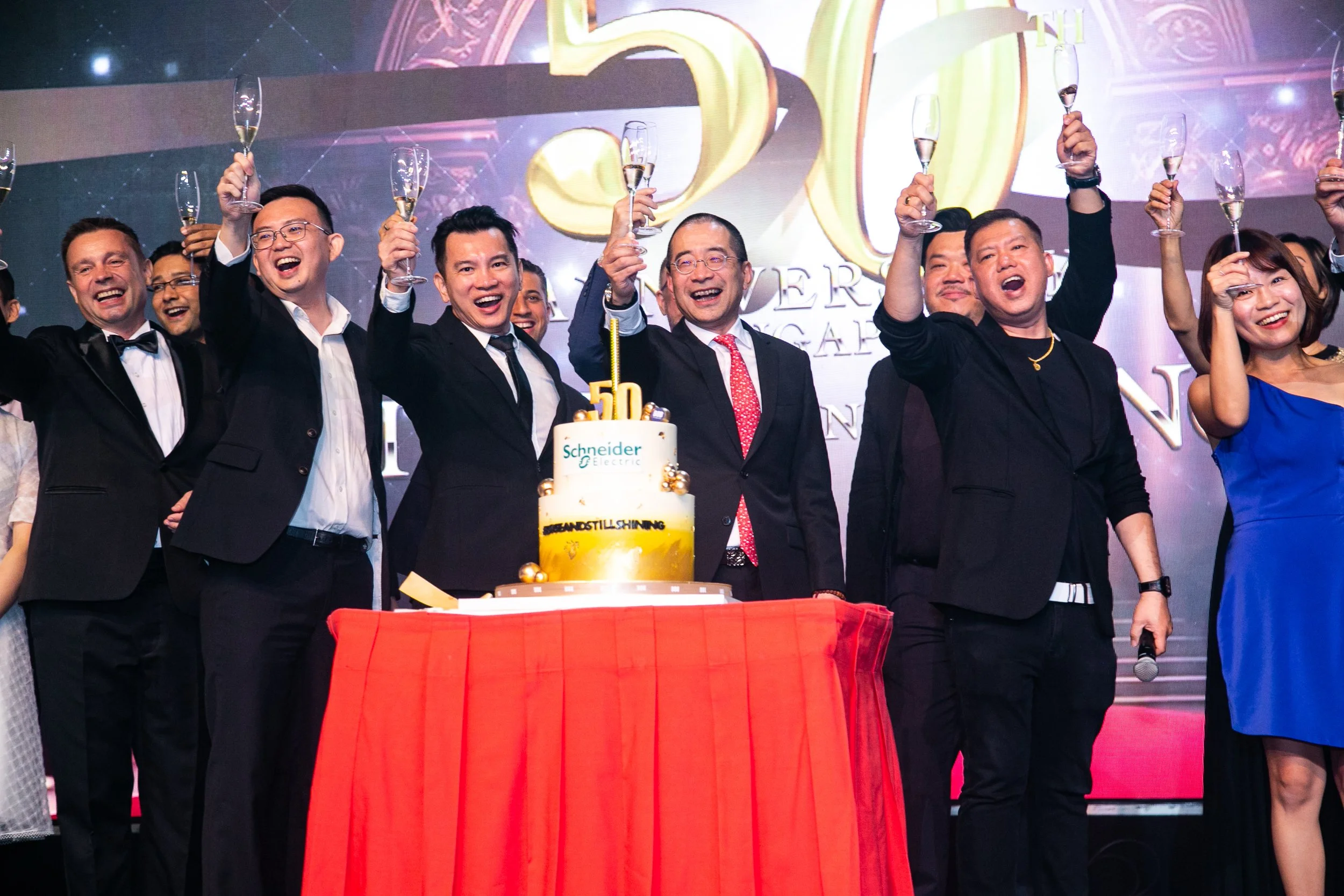
These moments create emotional spikes that audiences remember long after the event ends. They also become the moments people photograph, share online, and talk about afterwards.
In many ways, peak moments define how attendees remember the entire event.
5. Post-Event Continuity
Engagement should not end when the event does.
One of the most overlooked aspects of event strategy is what happens after attendees leave. A strong event should continue generating value through:
post-event content
social engagement
internal culture impact
continued brand conversation
This transforms an event from a one-day activity into a long-term engagement asset.
Why This Framework Works
The Into E Event Engagement Framework works because it focuses on human behaviour, not just event mechanics.
People engage when they:
feel emotionally connected
feel involved in the experience
encounter moments worth remembering
When these elements are intentionally designed, engagement becomes natural rather than forced.
The result is stronger participation, better audience response, and a more meaningful overall experience.
A Simple Way to Think About It
Most events focus on information.
The best events focus on emotion and interaction.
That’s the difference between an event people attend and an event people remember.
Final Thoughts
In today’s crowded event landscape, good execution alone is no longer enough.
Audiences expect experiences that feel immersive, engaging, and meaningful. Companies that understand this are the ones creating stronger brand connections, better employee engagement, and more impactful events overall.
At Into E, our goal has never been to simply organise events.
It’s to design experiences that leave a lasting impact.
Create an Event That Truly Engages Your Audience
If you’re planning a corporate event and want more than just a well-run programme, strategy matters.
👉 Let Into E Projects help you create an experience built around real engagement, meaningful interaction, and lasting impact.
Get a free consultation today and discover how the Into E Event Engagement Framework can transform your next event.